
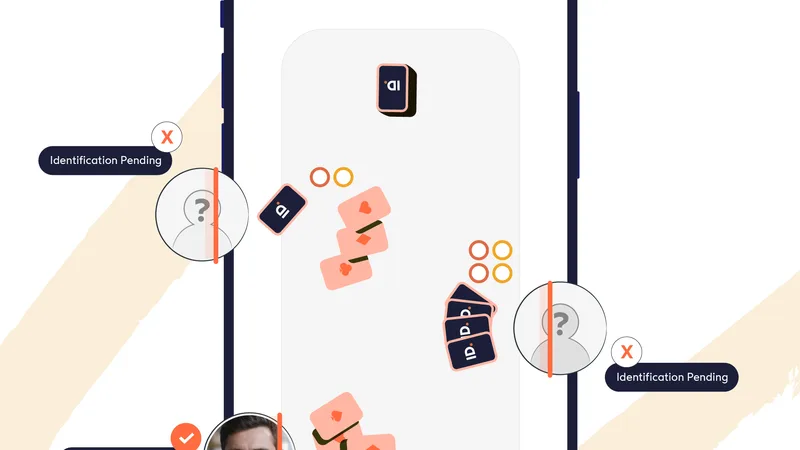
Key Operational Facts & Comparison Benchmarks
| Category / Operational Metric | Official Standard / Verified Benchmark |
|---|---|
| Accepted Philippine IDs | PhilSys National ID, Passport, Driver's License, UMID |
| Average Approval Time | 10 to 30 minutes (Automated OCR) |
| Verification Frequency | One-time initial verification |
| Data Privacy Protection | Encrypted under Data Privacy Act of 2012 |
| Age Attestation | Strictly 21+ Years Old |
| Core Benefit | Unlocks unrestricted automated instant withdrawals |
| Document Format | JPEG, PNG, or PDF color photograph |
Regulatory Mandates Behind Know Your Customer (KYC) Protocols
While some casual players view KYC verification as an administrative hurdle, it is a crucial regulatory safeguard required under Philippine law:
Preventing Identity Theft and Account Takeovers
KYC protocols ensure that only the verified owner of a mobile number and identity profile can withdraw accumulated funds. If an unauthorized individual compromises your casino password, they cannot redirect your winnings to their personal wallet because the destination name must match your verified identity.
PAGCOR Age Verification and AMLA Compliance
PAGCOR regulations strictly enforce a 21+ age minimum for all commercial gambling. Verifying identity ensures that minors and individuals listed under PAGCOR's National Database for Barred Individuals (NDFP) cannot access gaming services.
Step-by-Step Practical Walkthrough
Follow our verified operational procedure to ensure seamless transactions, optimal account security, and error-free gameplay:
Navigate to KYC Verification Menu
Log in and access User Center -> Account Security -> Identity Verification (KYC).
Capture Clear Color Photo of ID
Place your ID on a flat, dark surface in good lighting and capture all four corners clearly without glare.
Complete Automated Selfie Liveness Check
Follow the on-screen prompts to center your face and blink to verify physical presence.
Enjoy Pre-Approved Automated Payouts
Once approved, all future GCash withdrawal requests will clear automatically without compliance holds.
💡 Expert Pro Tip for Philippine Players
Use your PhilSys National ID card or Philippine Passport for fastest verification. These documents contain standardized machine-readable zones (MRZ) that automated Optical Character Recognition (OCR) systems process in under 5 minutes without requiring manual staff review.
Step-by-Step Tips for First-Attempt KYC Approval
Follow these best practices to ensure your verification passes on the first submission:
Lighting and Reflection Management
Plastic-laminated IDs like driver's licenses and national ID cards frequently reflect overhead room lighting, obscuring text and portrait photos. Position your light source at a 45-degree angle to eliminate glare and ensure all text remains sharp and legible.
Matching Account Registration Data
Ensure the first name, middle name, and surname entered during casino registration correspond exactly to the legal names printed on your ID card. Name discrepancies are the leading cause of manual verification delays.
⚠️ Essential Risk & Compliance Warning
Never submit edited, cropped, black-and-white, or third-party identification documents. Submitting fraudulent credentials constitutes a severe violation of Anti-Money Laundering legislation and results in permanent account termination and balance forfeiture.
Network Latency & Mobile Performance Benchmarks
Our research desk conducted comprehensive testing across local telecommunication providers to ensure stable connectivity and low latency: